Team Dynamics: Make or Break your organization
At the root of silo-ed organizations...
Early in my career, shortly after moving into a managerial position, my manager invited me to dinner. They wanted to offer some seasoned advice on how to "rule."
Their takeaway was blunt: "Information is power." To lead effectively, they argued, you have to know what is happening across every department.
At the time, I remember thinking that this sounded like a perfect formula for a dictatorship; and it was miles away from my leadership ideals. I didn't want to "rule"; I wanted the team to feel supported; to be a catalyzer for impact.
But that dinner taught me something vital that I still carry with me today: Office dynamics can break down your organization, even if you show up as the most well-intentioned leader.
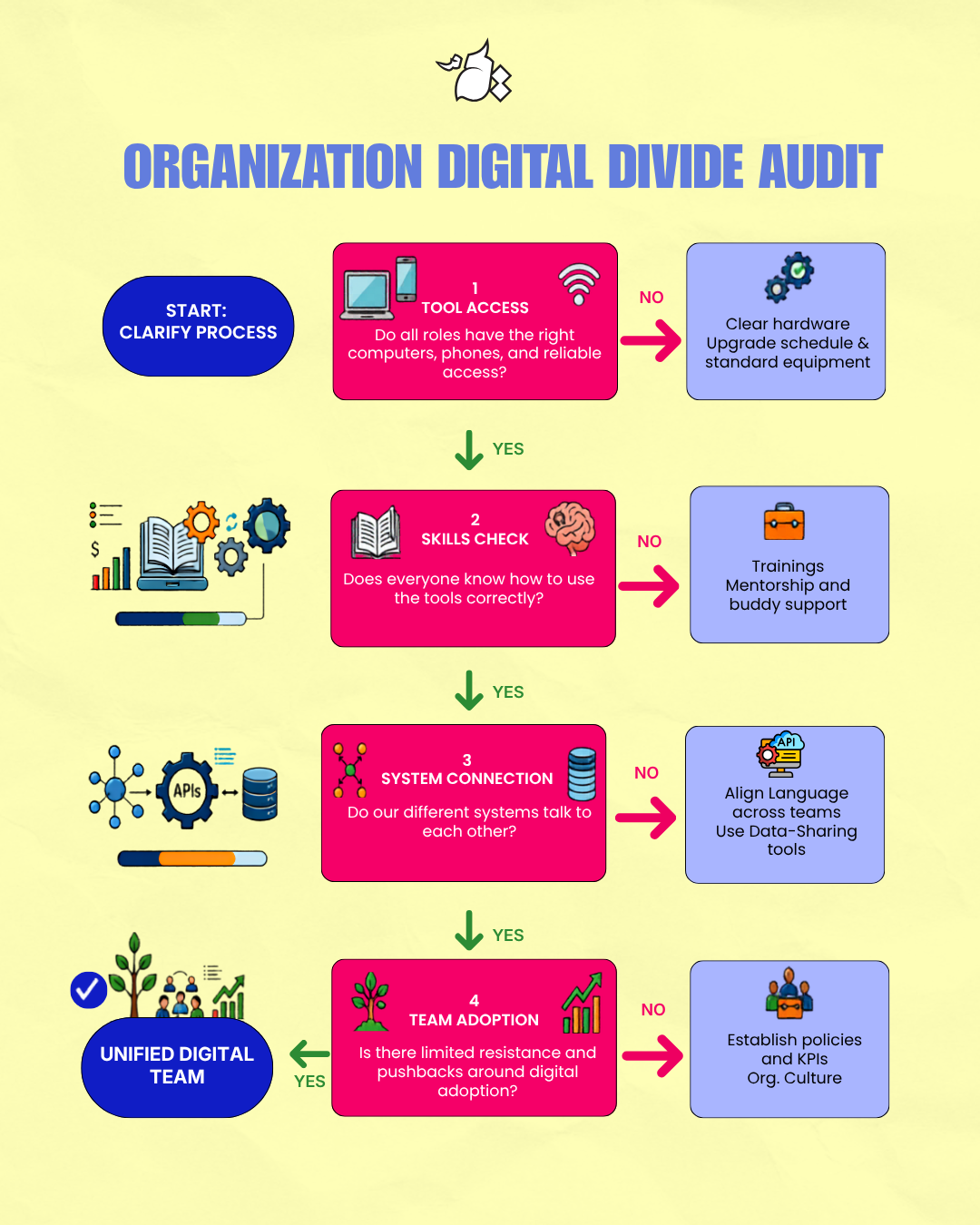
The Hidden Walls To build a truly collaborative and well-connected organization, we have to address the traditional leadership styles that hinder us. It isn't just about software; it’s about the human friction that keeps the pipes clogged: Insecurity: People hide information because they feel vulnerable in their positions. They think, "If I'm the only one with the answer, they can't let me go." Burnout: Staff are often so exhausted that "information sharing" feels like an additional, impossible burden rather than a tool for ease. Power Dynamics: Teams often use data as a bargaining chip, creating a "us vs. them" interplay that stalls the mission.
What does this mean in practice?
It means we have to consciously rewire the plumbing. We need to celebrate successes, listen to what works best on the ground, and introduce efficient systems that make sharing the path of least resistance rather than an extra chore.