
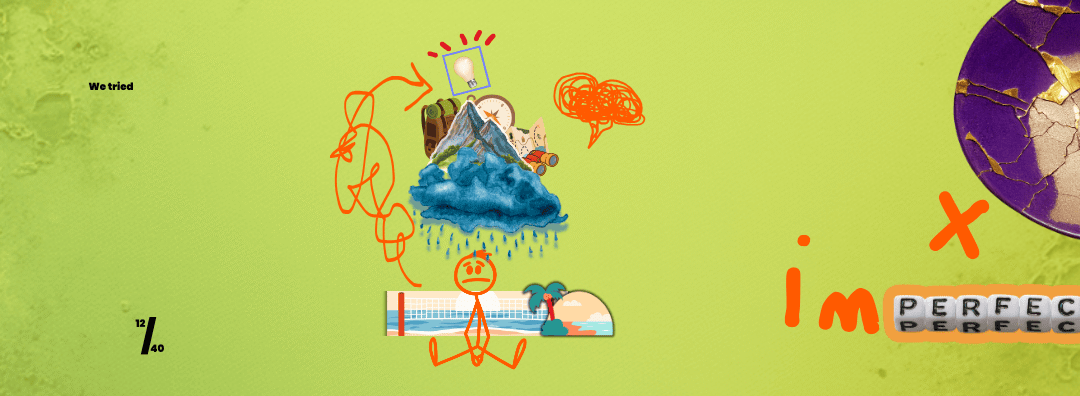
We’ve all heard the success stories: the soaring completion rates, the impressive fundraising totals, the metrics that leap off the page. These stories are essential, but they only tell half the truth. They present a curated reality—a kind of “perfection theatre”—that often fails to resonate with a deeply skeptical audience.
The modern donor, partner, and community member doesn’t seek perfection; they seek discipline, honesty, and growth.
The ultimate tool for building this deep, resilient trust isn’t a success story—it’s a useful failure story.
The True Cost of Perfection Theatre
Why do organizations shy away from sharing missteps? Fear. Fear of reputation risk, fear of losing funding, and fear of judgment. But hiding the truth creates its own liabilities: it signals a lack of self-awareness and stifles innovation.
When you only show success, you make your journey look magically simple. When things inevitably go wrong for others, they wonder why they can’t achieve your “perfect” results.
Your initial insight is profound: “We planned for forty; twelve came. That’s a story, too.” This simple admission honors reality and shows that you are disciplined learners, not practitioners of spin.
Real credibility grows when you share what didn’t work and what you’re committed to doing differently.
The Failure Story Is a Learning Story
A useful failure story is not about excuses; it is about honoring reality and demonstrating growth. It serves as a short, specific, and safe loop of learning.
The framework is simple, clear, and actionable:
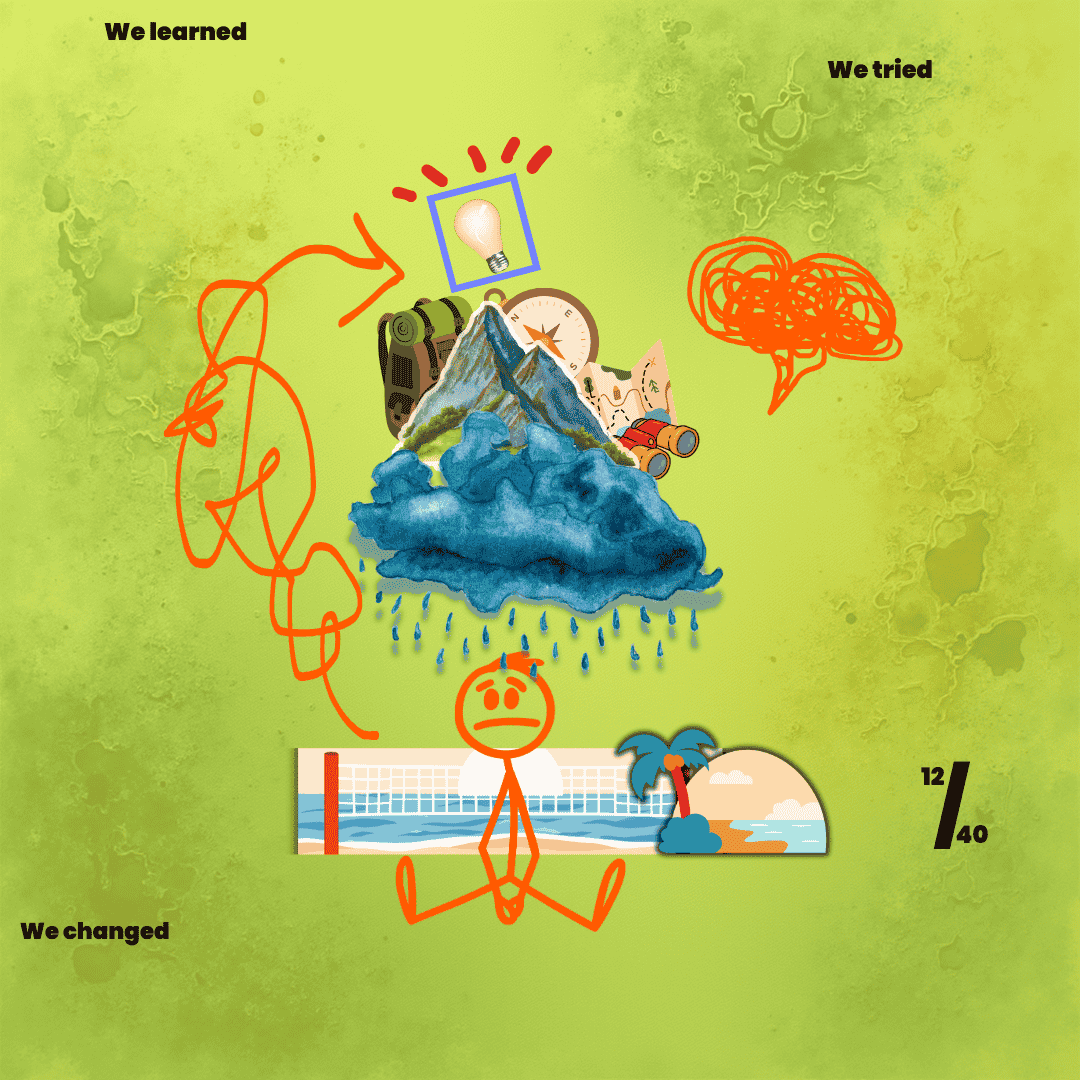
We Tried —> We Learned —> We’re Changing
This arc transforms a moment of disappointment into a demonstration of management excellence. It’s an exercise in humility and a blueprint for iterative design.
The Three Essential Elements of a Learning Story
When crafting your narrative, you must include three non-negotiable components:
1. The Conditions (The Setup)
Start by being clear about the initial intent and the assumptions made. What were the resources, the budget, the timeline, or the logic that set the stage?
- Example: “Our assumption was that shifting the youth workshop from 4 PM to 6 PM would capture young people after their jobs ended. We allocated our full monthly transportation budget based on this theory.”
2. The Signal (The Insight)
What piece of data or observation told you the initial attempt wasn’t working? This is where you demonstrate your organization’s rigour and responsiveness. You weren’t ignoring the problem; you were listening.
- Example: “After the first three weeks, attendance plummeted. We conducted three quick exit interviews and realized the single most common reason for no-shows was simple: hunger. 6 PM was too late for dinner, and we hadn’t budgeted for food.”
3. The Next Step (The Change)
Immediately pivot from the learning to the action. This shows discipline and forward momentum. This isn’t a moment for blaming external forces; it’s a moment for owning the fix.
Example: “We learned our assumption was flawed. Effective immediately, we are shifting the workshop back to 4 PM and have secured a micro-grant to provide meals for the final month of the cohort.”
How to Make the Failure Story Useful, Not Harmful
To successfully deploy failure stories, you must adhere to strict ethical and structural guidelines that prioritize organizational learning over dramatic revelation.
Structure: Short, Specific, Safe
- Short: Keep it concise. The story should be a loop, not a spiral. Get in, state the facts, detail the fix, and get out.
- Specific: Avoid sweeping, vague statements (“Our outreach didn’t work”). Be surgical: name the exact program, the exact goal, and the exact metric that showed the gap (“We projected 40; 12 came.”).
- Safe: Avoid Blame. Blame destroys trust internally and externally. Focus on the system, the conditions, or the assumptions that failed, not the individuals or teams involved. Thank the people who surfaced the learning—the honest staff member, the participant who gave frank feedback.
The Trust Multiplier: Closing the Loop
The failure story is incomplete until you report back on the fix.
A few months after the initial failure story, you must close the loop with a follow-up. This is the Trust Multiplier.
- Initial Story: “We learned participants were hungry, so we shifted the time and secured meal funding.”
- Follow-up: “Did the change work? Yes. Attendance has stabilized at 35, and we’ve gathered feedback to make our next cohort 100% meal-funded.”
This final step demonstrates that the failure was not a one-off confession but a genuine part of your organization’s commitment to iterative program design.
Failure Stories and Your Stakeholders
|
Stakeholder |
What They Gain from a Failure Story |
Narrative Goal |
|
Donors/Funders |
They see financial discipline, risk management, and the ability to pivot. They fund disciplined growth, not perfection. |
Goal: Show rigour and the effective use of resources, even when assumptions are wrong. |
|
Community/Partners |
They see an organization that listens, is responsive, and respects reality. It creates psychological safety for them to share their own difficulties. |
Goal: Show humility and responsiveness—you are listening to their signals. |
|
Staff/Internal Teams |
They are given permission to experiment and report honestly without fear of reprisal. This is the foundation of an innovative culture. |
Goal: Show organizational discipline and the valorization of internal honesty. |
In the end, embracing the failure story is an act of confidence. It says: “We are strong enough, and disciplined enough, to look at reality, learn from it, and course-correct.”
This isn’t reputation risk; it is the engine of credibility. Let go of perfection theatre and start inviting your community to help you test the fix.
Download YAMM Story Bank Template

Author Bio
Ali Zaraket brings over 15 years of experience in nonprofit communication, documentary making and journalism to his role as Lead Communication at YAMM Services Inc..
With a background in journalism and commitment to social activism, Ali is deeply passionate about helping nonprofit organizations effectively communicate their mission and engage with key stakeholders.
Throughout his career, Ali has provided communication strategy and training to hundreds of professionals from a wide range of disciplines. When he’s not working with clients, you can find Ali volunteering for local nonprofits, or spending time outdoors with friends and family.